

Cancer Diagnosis and Staging in Akola
Cancer diagnosis and staging at Niramay Hospital, Akola, means confirming whether a growth is cancer, finding out how far it has spread and planning treatment from that information. The process usually involves an examination, imaging, a biopsy and a pathology report, reviewed by Dr. Prasad Sor and the oncology team.
कॅन्सरचे निदान आणि स्टेजिंग — तपासणी, बायोप्सी आणि अहवालाचे मार्गदर्शन, निरामय हॉस्पिटल, अकोला.
Why diagnosis and staging
come first
Treatment depends on the exact type of cancer, where it started and how far it has spread. A careful diagnosis helps the doctor explain the choices to you and avoids treatment that is not needed.
When to see a doctor
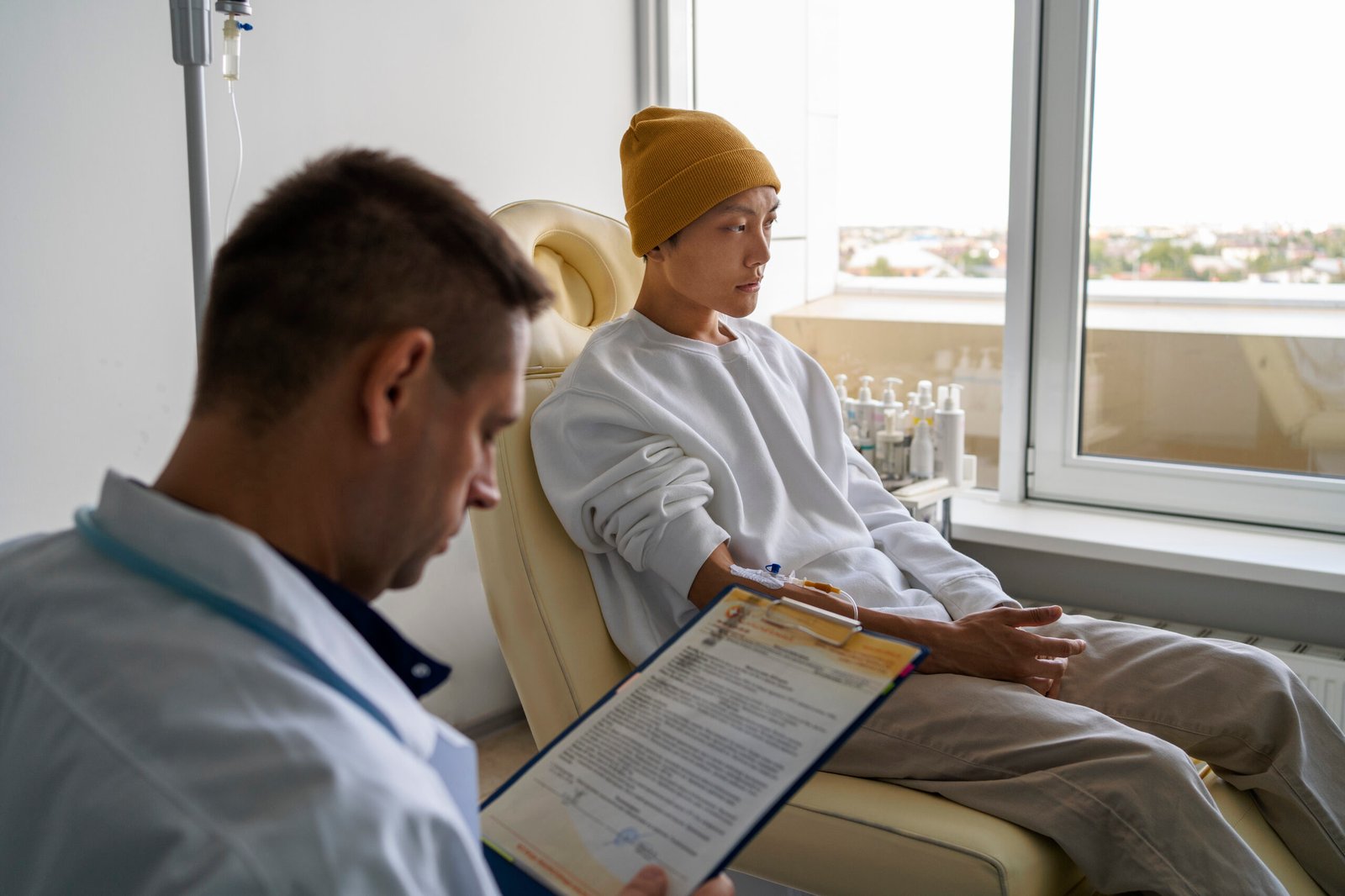
A visit is advised for any of the following that lasts, grows or keeps returning. Most of these have non-cancer causes, but they should be checked.
A lump in the breast, neck, armpit, groin or elsewhere
When to see a doctor
Consultation and examination: your history, symptoms, family history, habits such as tobacco use, and a physical examination.
Imaging: ultrasound, X-ray and CT scan [CONFIRM in-house], and MRI or PET-CT where needed. PET-CT is arranged through a tie-up [CONFIRM].
Endoscopy: a camera test of the food pipe, stomach, colon or other areas, where the doctor advises it.
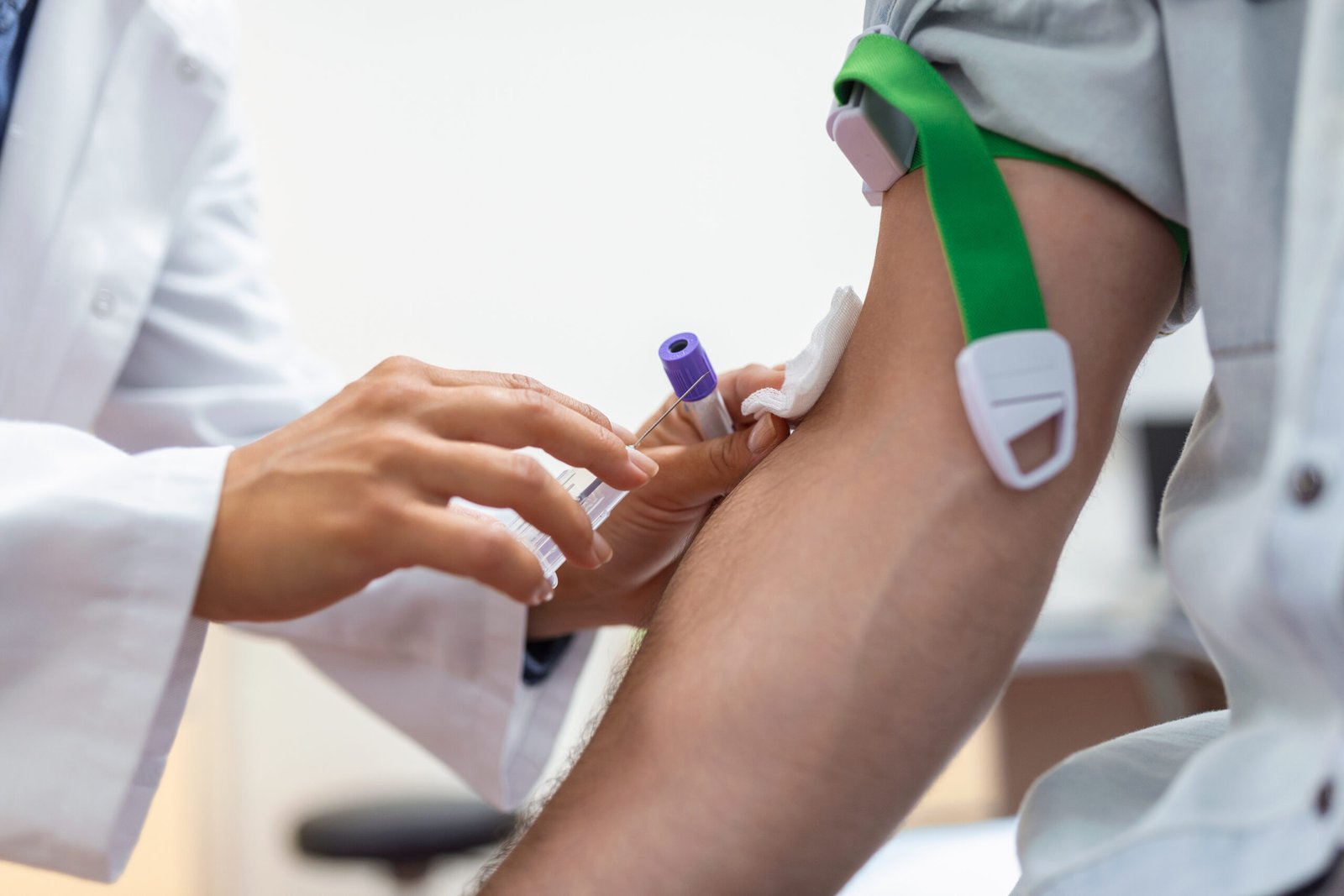
Biopsy: a small sample of tissue or cells is taken, by needle, endoscopy or minor surgery, depending on the site.
Pathology: a specialist examines the sample under a microscope. Special tests on the tissue may be requested to guide treatment.
Blood tests: including tumour markers in some cases. These support, but do not alone confirm, a diagnosis.
What staging means
Staging describes the size of the tumour, whether nearby lymph nodes are involved and whether the cancer has spread to other organs. Doctors commonly use the TNM system and describe the result as stage 0 to IV. Staging guides whether surgery, chemotherapy, radiation or a combination is suitable, and in what order.
How Niramay Hospital helps
At your consultation, Dr. Prasad Sor reviews your reports, examines you and explains which tests are still needed and why. The team coordinates scans, biopsy and pathology, and discusses the results with the relevant specialists before explaining the diagnosis and the options to you and your family in Marathi, Hindi or English.
Post-Treatment Care and Rehabilitation
Diagnosis and staging are the first step, and they also shape the care you receive afterwards. Once the diagnosis is confirmed, we help you prepare for treatment, track your response, and plan follow-up and recovery.
Clear explanation of your reports
Multidisciplinary review
Support for a second opinion
Getting ready for treatment (prehabilitation)
Fitness and anaesthesia assessment
Response assessment
Surveillance after treatment
Counselling and emotional support
Financial and practical guidance
Genetic counselling and family screening
See your doctor promptly if you notice: any lump that persists or grows, a sore that does not heal, unexplained weight loss, abnormal bleeding, a persistent cough or hoarseness, or a change in bowel or bladder habits.
Treatment Success and Survival Rates
| Cancer | Early (localized) stage, 5-year survival | Advanced (distant or stage IV), 5-year survival | Source |
| Breast cancer, USA | About 99% to 100% | About 28% | SEER |
| Oral cavity and throat cancer, USA | About 84% | About 39% | SEER |
| Cervical cancer, Tata Memorial Hospital | Stage I about 84% | Stage IV about 37% | Tata Memorial study |
These figures are population statistics, not a promise or prediction for any individual patient.
What staging uses
Tools used to diagnose and stage
Early detection saves options
Biomarker testing guides treatment
Accuracy takes time
Limits of these numbers
What Happens During Your Visit

1. Consultation
2. Tests, if needed

3. Treatment planning

4. Treatment and recovery
If you or a family member needs guidance on cancer diagnosis and staging,
start with a consultation. Bring your reports and the doctor will explain the next step.