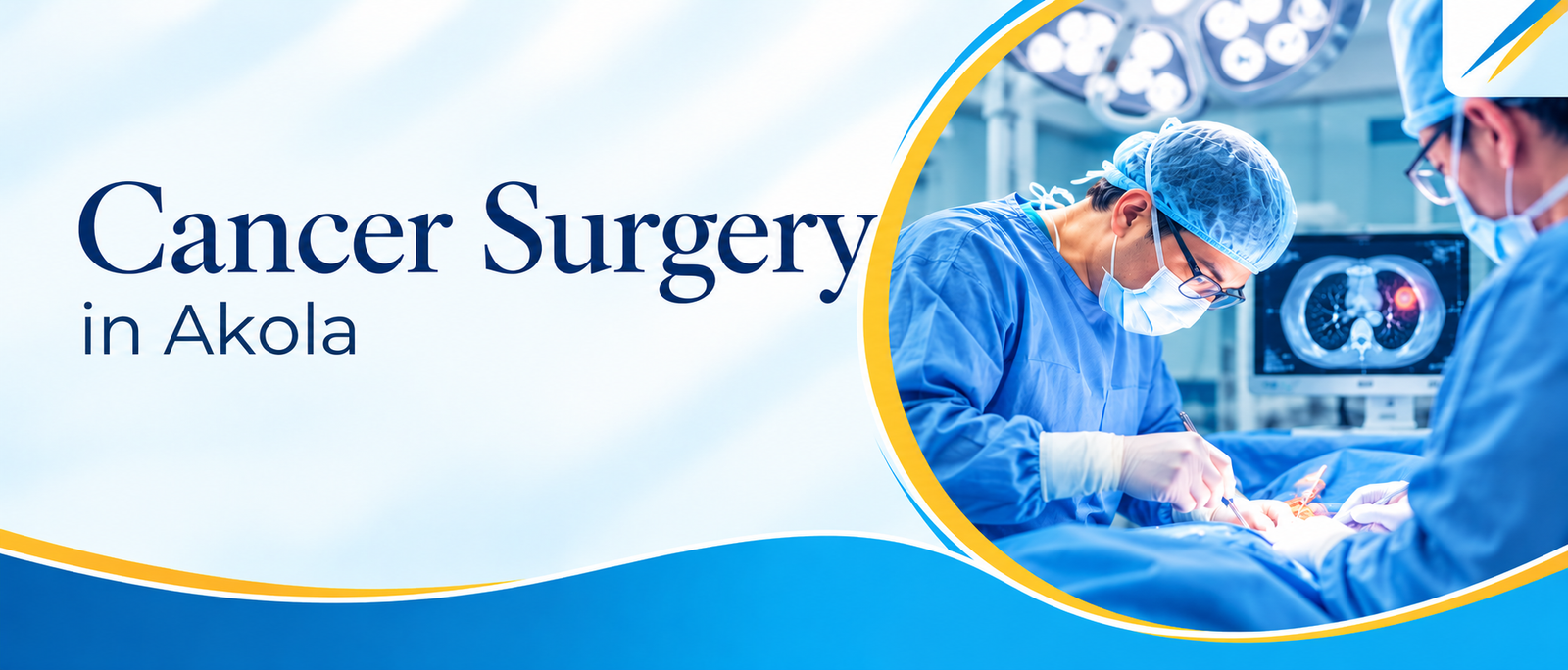
Cancer Surgery and Surgical
Oncology in Akola
Cancer surgery at Niramay Hospital, Akola, is planned and performed by Dr. Prasad Sor, Consultant Surgical Oncologist. Surgery may be used to remove a tumour, confirm a diagnosis, relieve symptoms or rebuild form and function. Whether it is suitable depends on the type and stage of cancer and on the patient’s overall health.
कॅन्सर शस्त्रक्रिया — डॉ. प्रसाद सोर, सर्जिकल ऑन्कोलॉजिस्ट, निरामय हॉस्पिटल, अकोला.
What is surgical oncology?
Surgical oncology also involves evaluating the stage and spread of cancer to determine the most appropriate surgical approach. Depending on the case, surgery may be performed to remove the tumour, reduce its size, or relieve symptoms.
When surgery may be advised
Types of cancer surgery
The operation depends on the site and stage. Examples include breast-conserving surgery and mastectomy, thyroid surgery, head and neck surgery with reconstruction, stomach and bowel resections and gynaecological cancer surgery. [CONFIRM each procedure is performed at Niramay Hospital.] Where suitable, laparoscopic (keyhole) techniques may be used. Not every patient is a candidate for a keyhole approach, and the doctor will explain the reason.
How surgery is planned
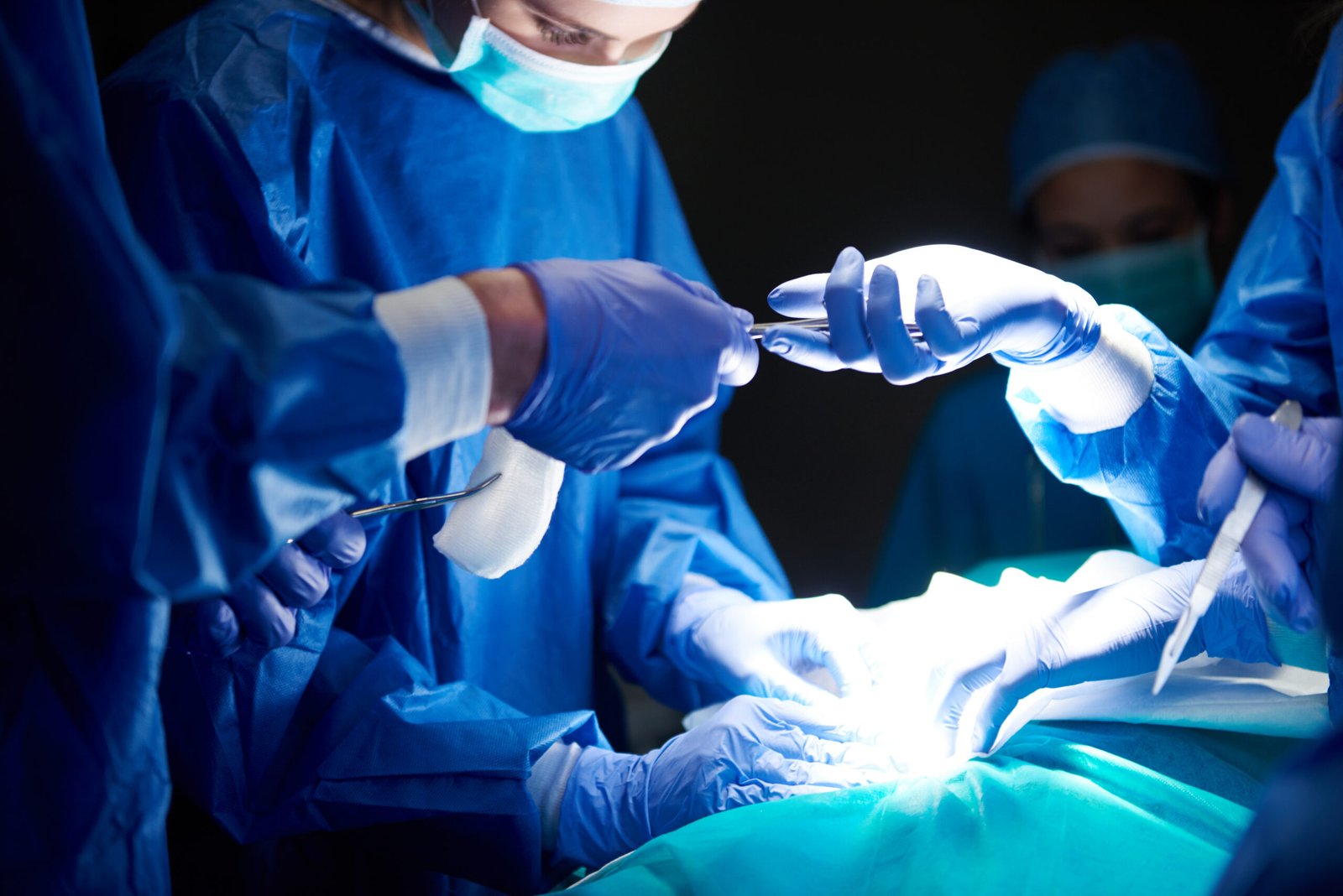
Before any operation the team reviews your scans and pathology, checks your general health and anaesthesia fitness, and discusses the plan with you and your family. You are told the purpose of the operation, the alternatives, the possible risks and what recovery involves, so that you can decide with full information.
Recovery and follow-up
Facilities
Post-Treatment Care and Rehabilitation
Recovery after cancer surgery starts on the day of the operation. Our aim is a safe, steady return to eating, moving and daily activities, with a clear plan for any further treatment.
Early mobilisation
Pain control
Wound and drain care
Breathing and physiotherapy exercises
Nutrition
Stoma, catheter and tube care
Reconstruction and prosthetics
Contact the hospital promptly if you have: fever, increasing pain, redness, swelling or discharge at the wound, leg swelling or calf pain, chest pain or breathlessness, persistent vomiting, or the wound opening.
Treatment Success and Survival Rates
Surgery is a main treatment for many solid cancers, and in early stages it can remove the cancer completely. Results depend on the cancer type, how far it has spread, and whether the tumour is fully removed. These are general principles and published statistics, not a promise for any individual.
Complete removal matters
Lymph node status guides the outlook
Surgery is often part of a team plan
Choice of operation
Risks
Limits of these numbers
What Happens During Your Visit

1. Consultation
2. Tests, if needed

3. Treatment planning

4. Treatment and recovery
If you or a family member needs guidance
on cancer surgery
Start with a consultation. Bring your reports and the doctor will explain the next step.