

Head and Neck Cancer and
Oral Cancer Treatment in Akola
Head and neck cancer care at Niramay Hospital, Akola, covers cancers of the mouth, tongue, throat, voice box, thyroid and salivary glands. Dr. Prasad Sor, Consultant Surgical Oncologist, plans surgery, reconstruction and coordinated treatment. A mouth ulcer that does not heal in three weeks should be examined.
मुख, घसा आणि मान कर्करोग — तपासणी, शस्त्रक्रिया, पुनर्रचना आणि पुनर्वसन, अकोला.
Risk Factors and Prevention of
Oral and Throat Cancer
Regular dental check-ups can help detect suspicious changes in the mouth at an early stage. A healthy diet, good oral hygiene, and prompt treatment of persistent mouth ulcers or lumps can help protect oral health.

Cancers included
Warning signs
Treatment
Treatment depends on the site and stage and may involve surgery, radiation, chemotherapy or a combination.
Surgery to remove the tumour, and neck dissection to remove lymph nodes where needed
Reconstruction to rebuild the area, using tissue from other parts of the body, including free-flap techniques
Thyroid surgery for thyroid tumours
Radiation and chemotherapy planned with the radiation and medical oncology team
Post-Treatment Care and Rehabilitation
Recovery after head and neck or oral cancer treatment goes beyond healing the surgical site. It includes restoring speech, swallowing, chewing, neck and shoulder movement, and appearance. Our team plans rehabilitation alongside treatment, not after it.
Regular follow-up visits
examination of the mouth, throat and neck is usually more frequent in the first two years, then spaced out. Your oncologist sets the exact schedule for your cancer type and stage.
Speech and swallowing therapy
guided exercises with a speech-language therapist help rebuild voice clarity and safe swallowing.
Nutrition support
Neck and shoulder physiotherapy
Mouth-opening (jaw) exercises
Dental and oral care
Tracheostomy and stoma care
Thyroid and other checks
Tobacco and alcohol cessation support
Emotional and social support
Reconstruction and prosthetics
See your doctor promptly if you notice: a new ulcer or lump that does not heal in 2 weeks, new neck swelling, persistent pain, bleeding, difficulty swallowing or breathing, or unexplained weight loss.
Treatment Success and Survival Rates
| Stage at diagnosis (SEER) | 5-year relative survival | Source |
| Localized | About 84% to 88% | SEER Stat Facts; SEER 2009-2015 |
| Regional (spread to nearby lymph nodes) | About 66% | SEER 2009-2015 |
| Distant (spread to other organs) | About 39% | SEER 2009-2015 |
| All stages combined | About 65% | SEER 2009-2015 |
What "relative survival" means
it compares people with the cancer to people of the same age without it, and shows the share expected to be alive 5 years after diagnosis (American Cancer Society).
Site matters
Other factors
Early detection matters most
Limits of these numbers
What Happens During Your Visit

1. Consultation
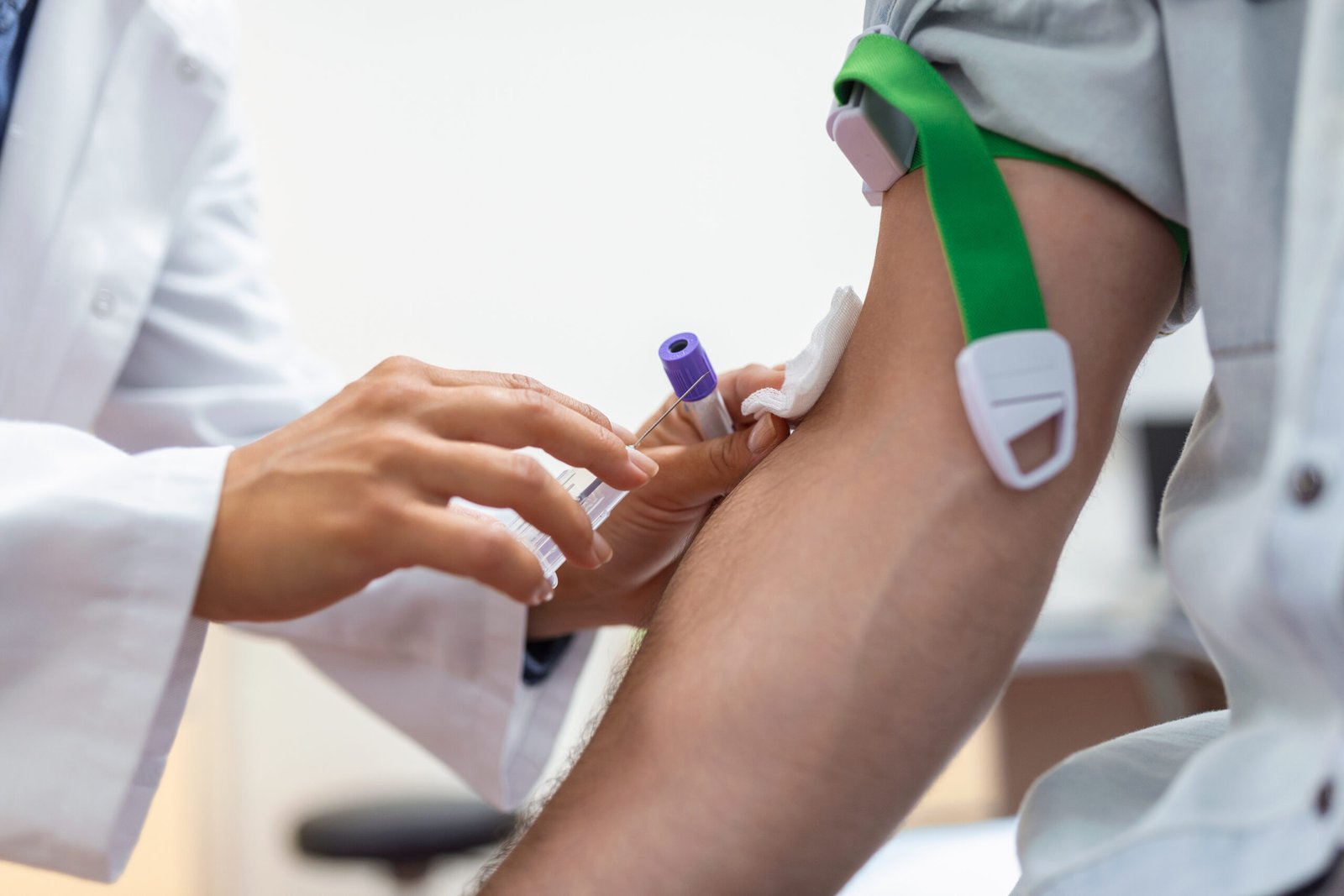
2. Tests, if needed

3. Treatment planning

4. Treatment and recovery
If you or a family member needs guidance
on head and neck cancer
Start with a consultation. Bring your reports and the doctor will explain the next step.