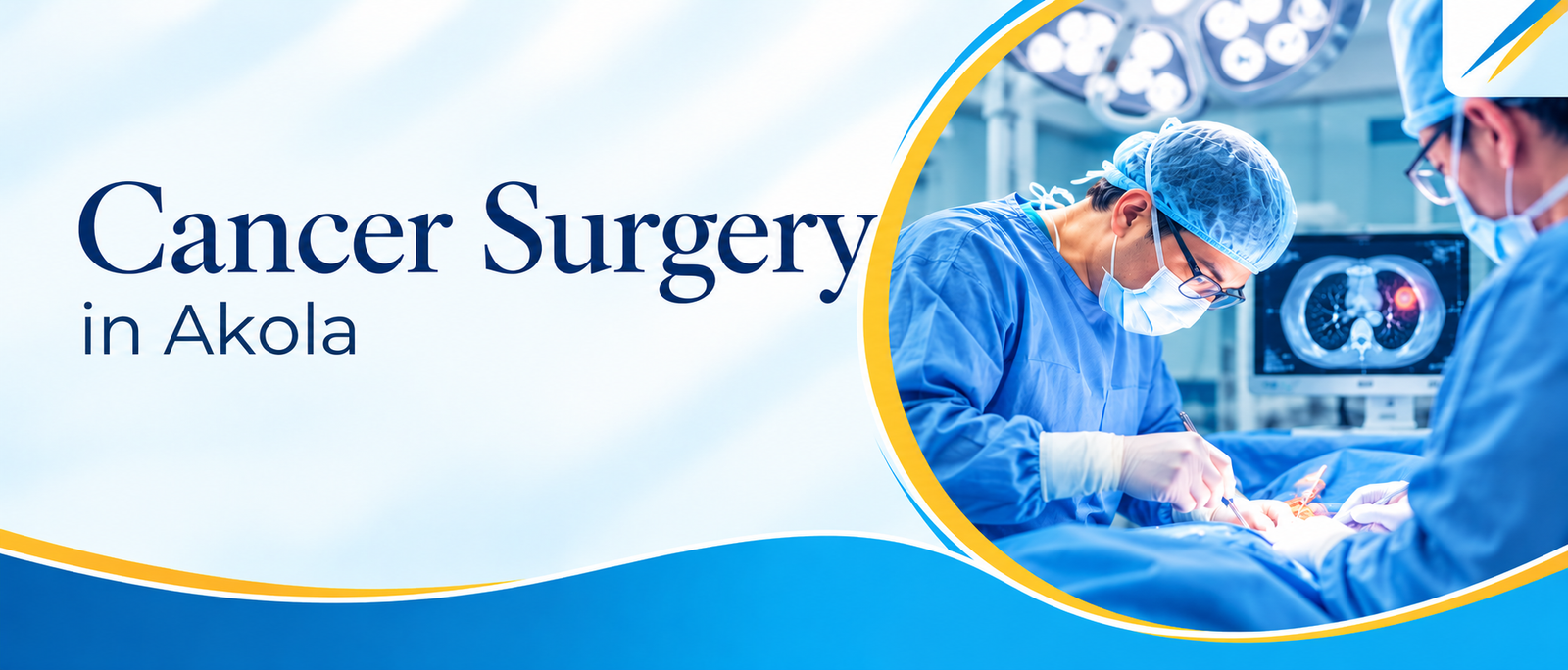
Cancer Surgery and Surgical
Oncology in Akola

Cancer surgery at Niramay Hospital, Akola, is planned and performed by Dr. Prasad Sor, Consultant Surgical Oncologist. Surgery may be used to remove a tumour, confirm a diagnosis, relieve symptoms or rebuild form and function. Whether it is suitable depends on the type and stage of cancer and on the patient’s overall health.

कॅन्सर शस्त्रक्रिया — डॉ. प्रसाद सोर, सर्जिकल ऑन्कोलॉजिस्ट, निरामय हॉस्पिटल, अकोला.

What is surgical oncology?

Surgical oncology is the branch of surgery that treats cancer. A surgical oncologist plans an operation around cancer-specific principles, such as removing the tumour with a margin of healthy tissue and, where appropriate, the lymph nodes it may drain to. The aim is to treat the cancer while protecting normal function as far as possible.

Surgical oncology also involves evaluating the stage and spread of cancer to determine the most appropriate surgical approach. Depending on the case, surgery may be performed to remove the tumour, reduce its size, or relieve symptoms.
When surgery may be advised

To remove a tumour that has not spread beyond the area where it started
To take tissue for diagnosis or to find out the stage
Before or after chemotherapy or radiation, as part of a combined plan
To relieve a blockage, bleeding or pain caused by a tumour
To reconstruct the area after removal, where this is suitable

Types of cancer surgery

The operation depends on the site and stage. Examples include breast-conserving surgery and mastectomy, thyroid surgery, head and neck surgery with reconstruction, stomach and bowel resections and gynaecological cancer surgery. [CONFIRM each procedure is performed at Niramay Hospital.] Where suitable, laparoscopic (keyhole) techniques may be used. Not every patient is a candidate for a keyhole approach, and the doctor will explain the reason.

How surgery is planned

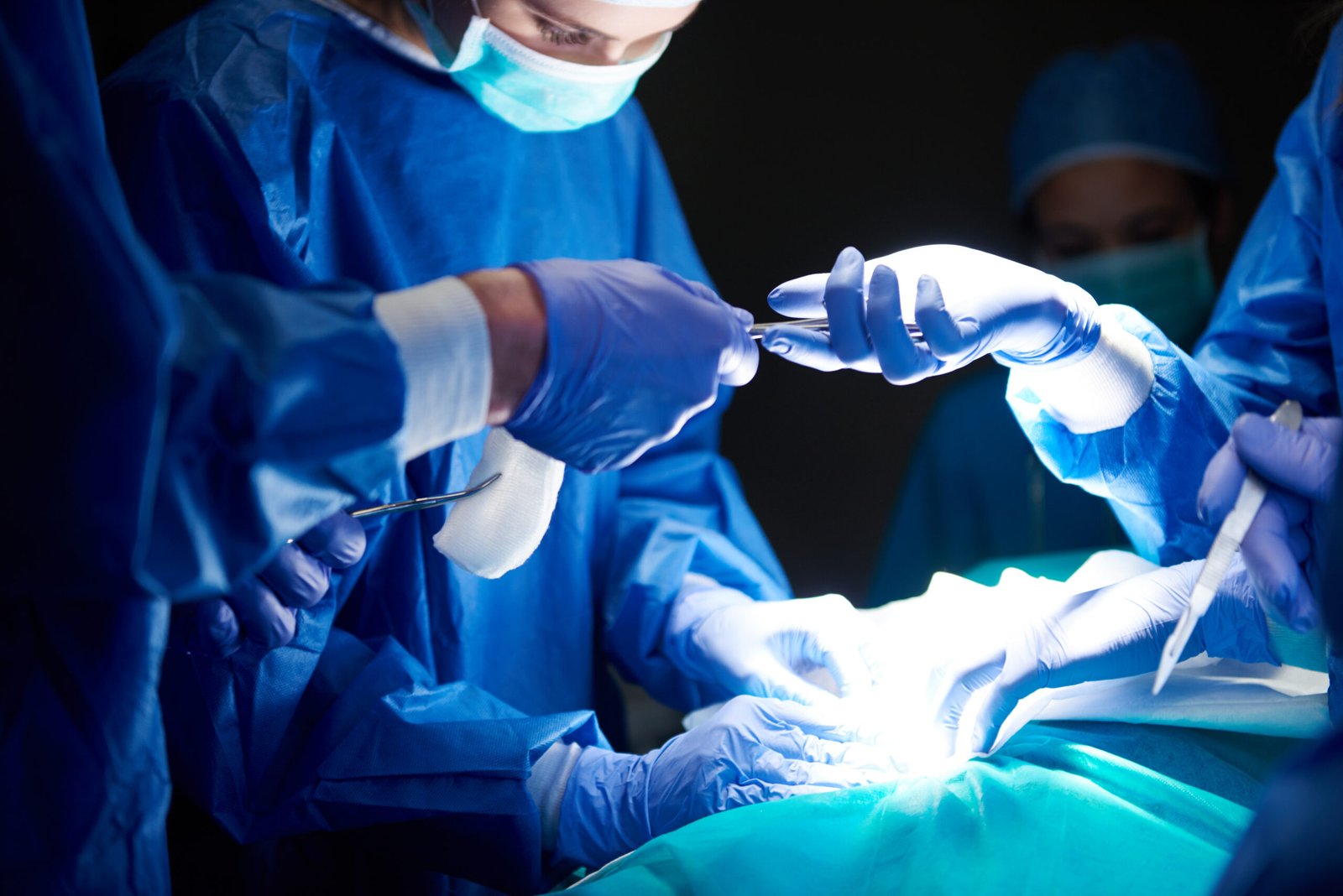
Before any operation the team reviews your scans and pathology, checks your general health and anaesthesia fitness, and discusses the plan with you and your family. You are told the purpose of the operation, the alternatives, the possible risks and what recovery involves, so that you can decide with full information.

Recovery and follow-up

After surgery, patients are monitored in the recovery area, and in the ICU where required [CONFIRM]. The team supports pain control, early movement, nutrition and wound care. The pathology report on the removed tissue is reviewed, and the doctor explains whether further treatment such as chemotherapy or radiation is needed. Regular follow-up visits then check recovery and look for any return of the disease.

Facilities

Cancer surgery at Niramay Hospital is supported by an operation theatre, anaesthesia and monitoring equipment, an ICU and an inpatient ward. [CONFIRM all.]

Post-Treatment Care and Rehabilitation

Recovery after cancer surgery starts on the day of the operation. Our aim is a safe, steady return to eating, moving and daily activities, with a clear plan for any further treatment.

Early mobilisation

getting out of bed and walking as soon as it is safe lowers the risk of blood clots, chest infection and muscle loss.

Pain control

a planned combination of medicines and non-drug measures so that you can move, breathe deeply and rest.

Wound and drain care

keeping the wound clean, caring for drains, and knowing the signs of infection. We teach you and your family before discharge.

Breathing and physiotherapy exercises

deep-breathing and limb exercises, with specific programmes after chest, abdominal, breast, head and neck or limb surgery.

Nutrition

a staged return to food, high-protein diets, and feeding support where needed.

Stoma, catheter and tube care

hands-on training and supplies guidance for stomas, urinary catheters and feeding tubes.

Reconstruction and prosthetics

reconstructive surgery and dental or facial prostheses can restore function and appearance where needed.

Contact the hospital promptly if you have: fever, increasing pain, redness, swelling or discharge at the wound, leg swelling or calf pain, chest pain or breathlessness, persistent vomiting, or the wound opening.

Treatment Success and Survival Rates

Surgery is a main treatment for many solid cancers, and in early stages it can remove the cancer completely. Results depend on the cancer type, how far it has spread, and whether the tumour is fully removed. These are general principles and published statistics, not a promise for any individual.

Complete removal matters

Pathology checks whether the edges (margins) of the removed tissue are free of cancer. Clear margins are linked with a lower chance of the cancer coming back.

Lymph node status guides the outlook

Whether cancer has reached nearby lymph nodes affects both prognosis and the need for additional treatment.

Stage at surgery is the biggest factor

 Examples of published 5-year survival when cancer is localized at diagnosis: about 99% to 100% for breast cancer (SEER), and about 84% to 88% for oral cavity and throat cancer (SEER). Survival is lower when cancer has spread. See each service page for more.

Surgery is often part of a team plan

Many patients also need chemotherapy, radiotherapy or targeted therapy before or after the operation.

Choice of operation

where suitable, organ-preserving or minimally invasive techniques are discussed. Your surgeon will recommend the approach that is safest and most effective for your tumour.

Risks

every operation carries risks, such as bleeding, infection and effects on function. Your surgeon will explain these and the alternatives before you decide.

Limits of these numbers

they are population statistics from the past. They cannot predict one person’s result.

What Happens During Your Visit

1. Consultation
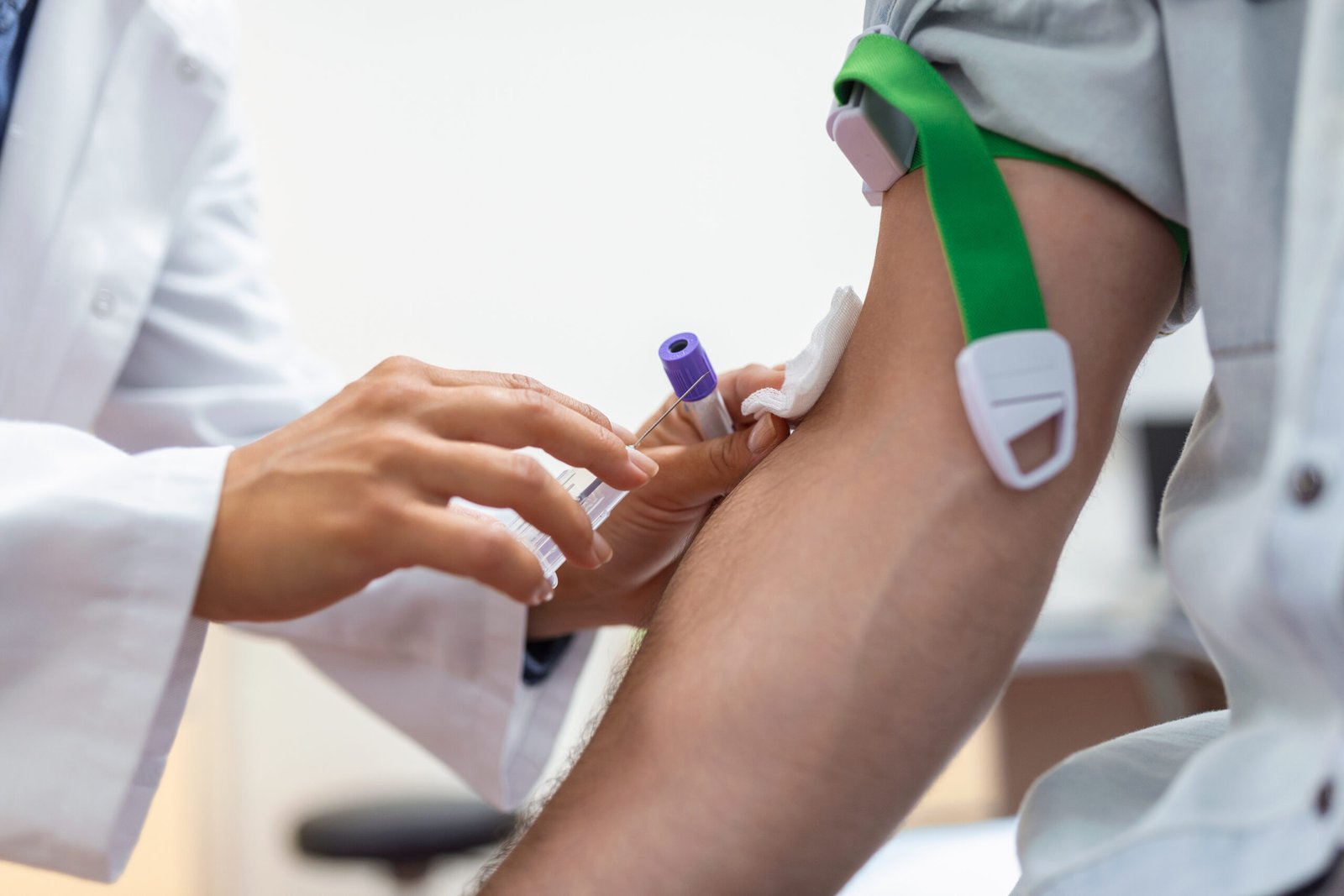
The doctor listens to your concerns, reviews your history and goes through your reports.

2. Tests, if needed

The team may advise scans, biopsy, pathology or staging tests to understand the condition.

3. Treatment planning

Once reports are ready, the doctor explains the diagnosis, options, sequence of care and follow-up in simple language.

4. Treatment and recovery

If treatment is needed, the team coordinates it and stays involved through recovery and follow-up.

If you or a family member needs guidance
on cancer surgery

Start with a consultation. Bring your reports and the doctor will explain the next step.

Frequently Asked Questions

Will I need surgery for cancer?

Not always. It depends on the type and stage of cancer, its location and your health. Some cancers are treated mainly with chemotherapy or radiation.

Can cancer surgery be done by keyhole?

For some cancers and stages, yes. The doctor will tell you whether it is suitable in your case.

How long is the hospital stay?

It varies with the operation and your recovery. The team will give you an estimate before surgery.

Will I need more treatment after surgery?

Sometimes. The pathology report guides this, and the doctor will explain it to you.

Can I get a second opinion before surgery?

Yes, and it is encouraged. Bring your reports and the doctor will review them.

Get In Touch

Call Now Button