Chemotherapy and Medical
Oncology in Akola
Chemotherapy and medical oncology at Niramay Hospital, Akola, cover drug treatment for cancer: chemotherapy, hormonal therapy, targeted therapy and immunotherapy, planned by Dr. Sushant Ikhar, Medical Oncologist [CONFIRM], with the surgical and radiation teams. Treatment is given on a day-care or inpatient basis, depending on the plan.
केमोथेरपी आणि मेडिकल ऑन्कोलॉजी — डे-केअर आणि अंतररुग्ण उपचार, निरामय हॉस्पिटल, अकोला.
What is medical oncology?
Medical oncology is a specialized branch of medicine that focuses on the treatment of cancer using medicines. These medicines help destroy cancer cells, stop their growth, or prevent them from spreading to other parts of the body. Medical oncology plays an important role in cancer care and may be used alone or in combination with surgery and radiation therapy.
A medical oncologist is a doctor who specializes in diagnosing and treating cancer with medicines. They evaluate the type of cancer, its stage, its location, and the patient’s overall health before developing an appropriate treatment plan.
Medical oncology may be recommended for patients with different types of cancer, including breast cancer, lung cancer, colorectal cancer, blood cancers, prostate cancer, and many others. Treatment may be given before surgery to shrink a tumor, after surgery to reduce the risk of cancer returning, or as the main treatment when surgery is not suitable. It may also be used to control advanced cancer, relieve symptoms, and improve quality of life.
Types of drug treatment
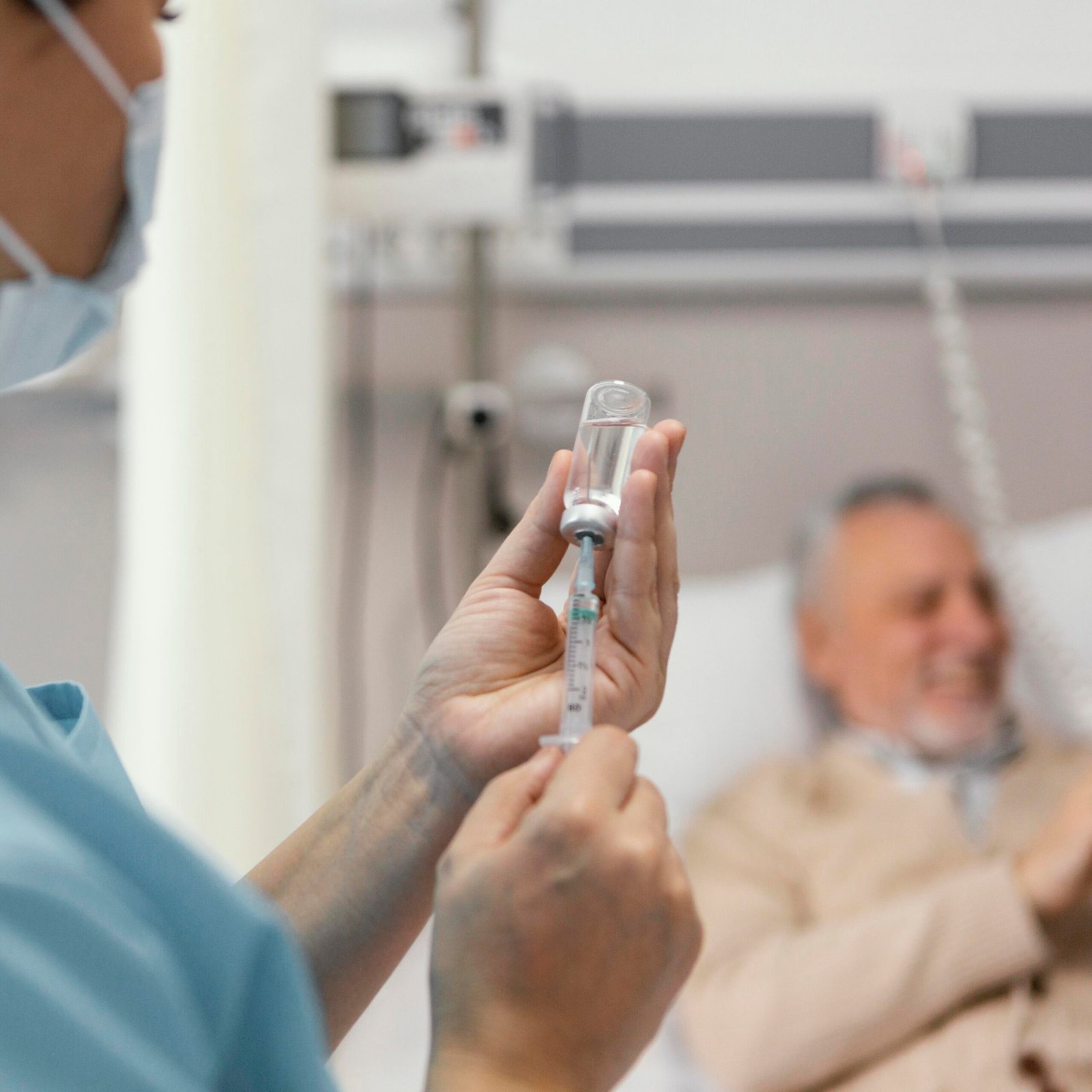
Chemotherapy: medicines that destroy or slow the growth of cancer cells, given through a vein or as tablets.
Targeted therapy: medicines aimed at specific features of a cancer found on special tests. [CONFIRM offered.]
Immunotherapy: medicines that help the body’s immune system recognise cancer. Suitable only for selected cancers after testing. [CONFIRM offered.]
Hormonal therapy: used for some breast and other hormone-sensitive cancers.
When chemotherapy is used
Before surgery, to shrink a tumour or make surgery more suitable
How treatment is planned
Day-care and inpatient chemotherapy
Managing side effects
Post-Treatment Care and Rehabilitation
Chemotherapy, targeted therapy and immunotherapy can leave side effects that last weeks or months after the last dose. Follow-up care watches for these effects, checks how the cancer has responded, and helps your body recover.
Scheduled review
Blood count and organ monitoring
Managing lingering side effects
Infection prevention
Nutrition support
Exercise and rehabilitation
Port or central line care
Memory and concentration difficulties
Fertility and family planning
Bone, heart and long-term health
Emotional wellbeing
Treatment summary
Contact the hospital urgently if you have: fever of 38 °C (100.4 °F) or higher, shivering, uncontrolled vomiting or diarrhoea, bleeding or bruising, mouth ulcers that stop you eating, or severe breathlessness.
Treatment Success and Survival Rates
How well chemotherapy and medical oncology treatment works depends on the type of cancer, its stage, its biology and the patient’s overall health. There is no single survival figure for “chemotherapy”. Cancer-specific survival figures are given on our individual service pages.
Chemotherapy has different goals
How success is measured
- Response rate: the share of patients whose tumour shrinks or disappears on scans.
- Disease-free survival: the time a patient remains free of cancer after treatment.
- Progression-free survival: the time the cancer is controlled without growing.
- Overall survival: the time patients live after diagnosis or treatment starts.
Biology matters
tests on the tumour, such as hormone receptors, HER2 or other genetic markers, help choose targeted or immunotherapy drugs that may suit a patient better.
Delivering treatment on schedule
completing the planned course, with dose changes only when medically needed, supports the best chance of benefit.
Benefits and risks are weighed together
Your oncologist will explain the expected benefit, the likely side effects and the alternatives before treatment begins.
No guarantee
two patients with the same cancer can respond differently. Published statistics describe groups, not individuals.
What Happens During Your Visit

1. Consultation
2. Tests, if needed
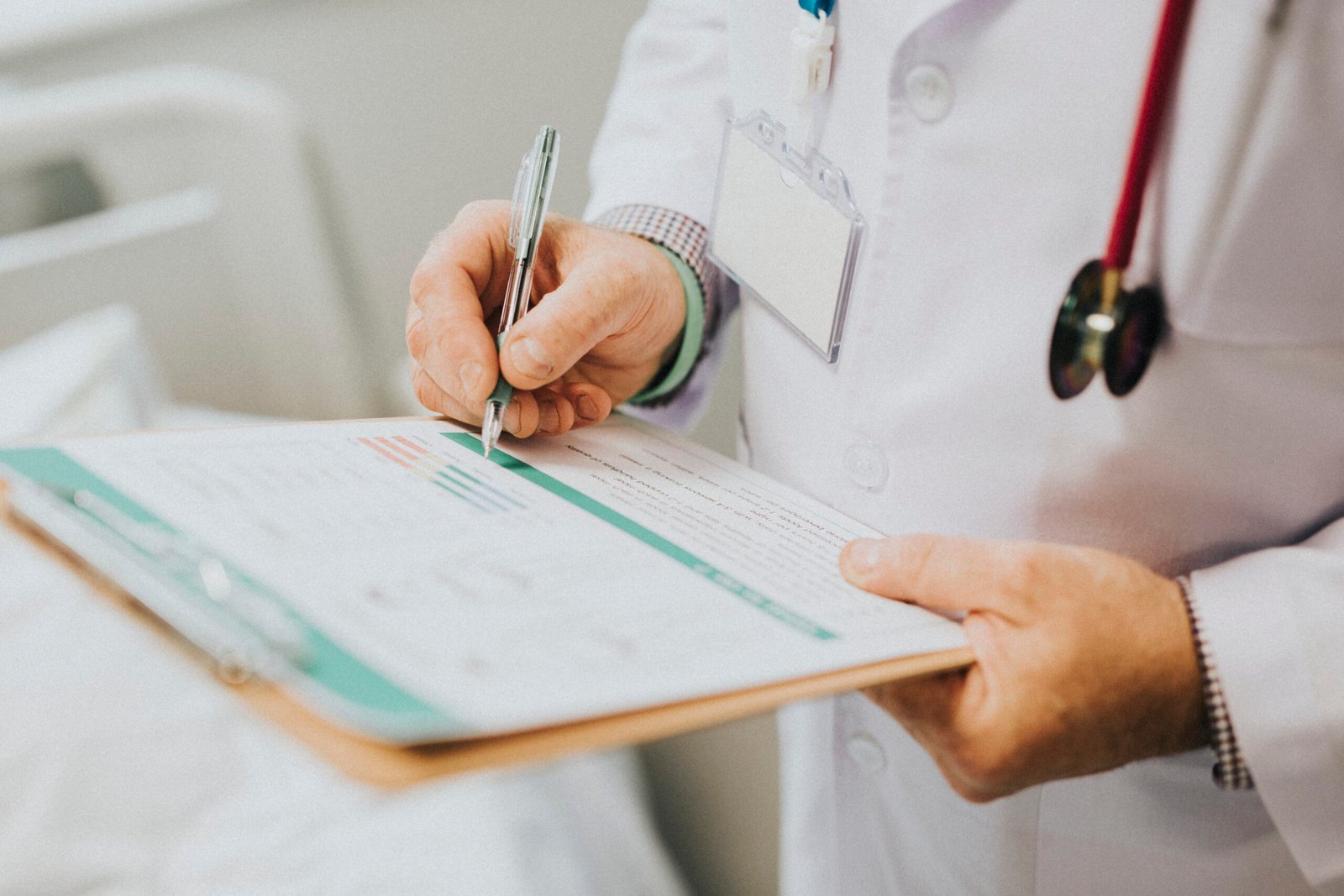
3. Treatment planning
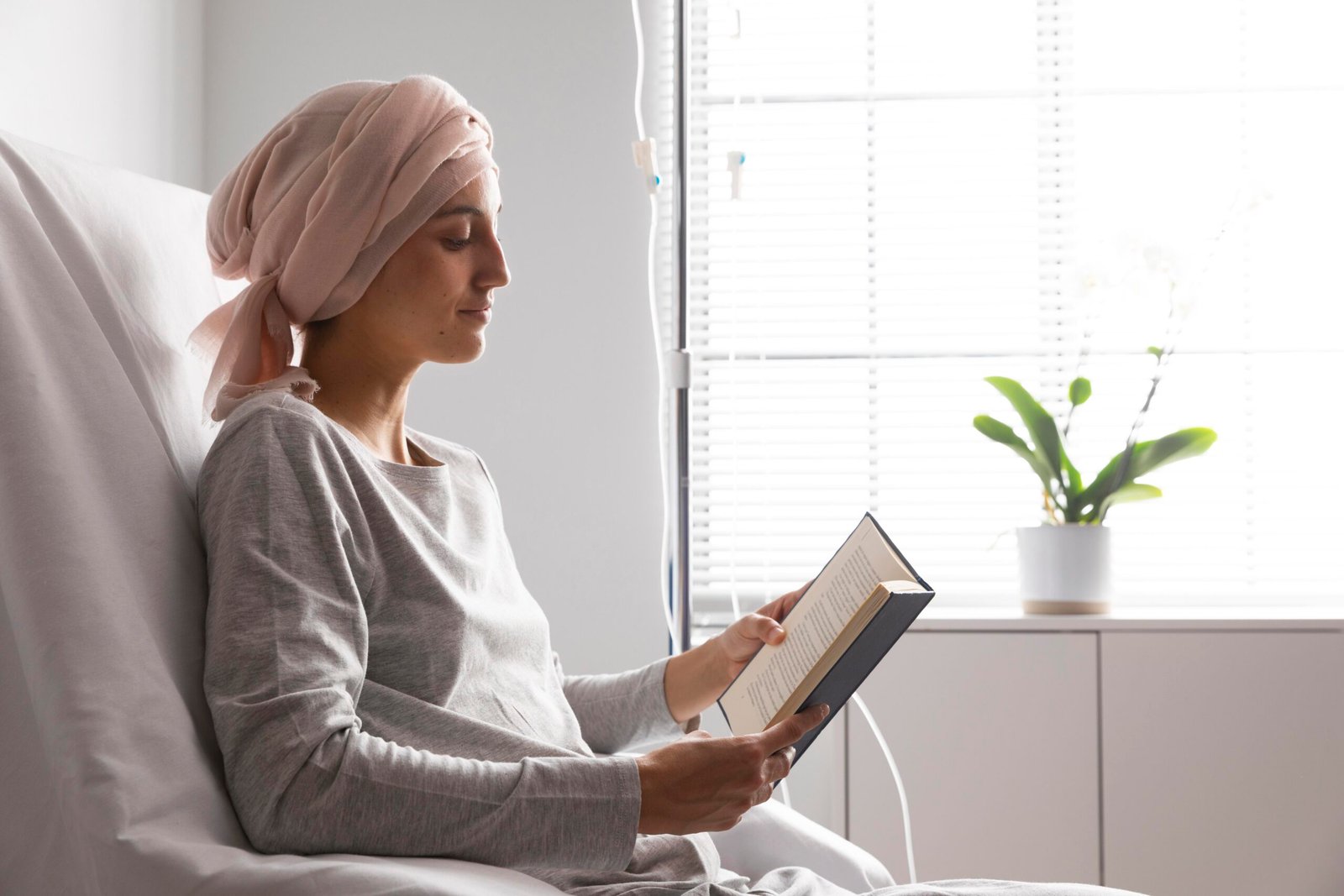
4. Treatment and recovery
If you or a family member needs guidance
on cancer surgery
Start with a consultation. Bring your reports and the doctor will explain the next step.