

Palliative and Supportive Cancer Care in Akola
Palliative care at Niramay Hospital, Akola, is care that eases pain and other symptoms and supports patients and families at any stage of cancer. It is given alongside cancer treatment, not only at the end of life. Dr. Shraddha Sor, Palliative Care, leads this care with the oncology team.
पॅलिएटिव्ह आणि सहायक कर्करोग काळजी — वेदना व लक्षणांवर नियंत्रण, कुटुंबासाठी मार्गदर्शन.
What palliative care is
Palliative care focuses on comfort and quality of life. It treats symptoms such as pain, breathlessness, nausea, tiredness and loss of appetite, and it supports the patient and family emotionally and practically. It can begin at diagnosis and continue with surgery, chemotherapy or radiation.

Who may benefit
What the team can help with
Pain relief, including strong pain medicines used safely under medical supervision
How it works
The team assesses your symptoms, goals and wishes, and agrees a plan with you and your family. The plan is reviewed regularly and changed as needs change. Patients are never denied cancer treatment because they receive palliative care.
Post-Treatment Care and Rehabilitation
Palliative and supportive care does not end when a treatment cycle ends. It continues alongside, and after, cancer treatment to keep you comfortable, independent and supported for as long as you need it. It can begin at any stage of illness, not only at the end of life.
Ongoing symptom review
Pain management
step-by-step pain relief, including strong pain medicines such as morphine where needed, prescribed and monitored by trained doctors. Under India’s NDPS Amendment Act, 2014, morphine is classed as an essential narcotic drug for medical use (Pallium India).
Rehabilitation
Wound, stoma and lymphoedema care
Nutrition and hydration guidance
Emotional, social and spiritual support
Caregiver training and support
Home-care guidance
Advance care planning
Bereavement support
Contact your care team promptly if you have: uncontrolled pain, repeated vomiting, sudden breathlessness, confusion, bleeding, fever, or inability to eat or drink.
Treatment Success and Survival Rates
Palliative care is not measured mainly by cure or survival time. Success means comfort, fewer distressing symptoms, better mood, and care that matches what matters to you and your family.
Aim of care
the World Health Organization describes palliative care as an approach that improves quality of life for patients and families facing life-threatening illness, by preventing and relieving suffering. It can be given together with treatments such as chemotherapy or radiotherapy (WHO definition, as reproduced by GVSU).
Early involvement helps
WHO notes that bringing palliative care in early improves quality of life and can reduce unnecessary hospital admissions (WHO Europe).
Evidence from research
in a randomised trial of 151 patients with advanced lung cancer, those who received early palliative care alongside standard cancer treatment reported better quality of life and mood than those who did not (NEJM 2010, as summarised by Radiology Business). That trial studied one cancer type, so results may differ for others.
Fewer burdensome interventions
What this page does not promise
What Happens During Your Visit

1. Consultation
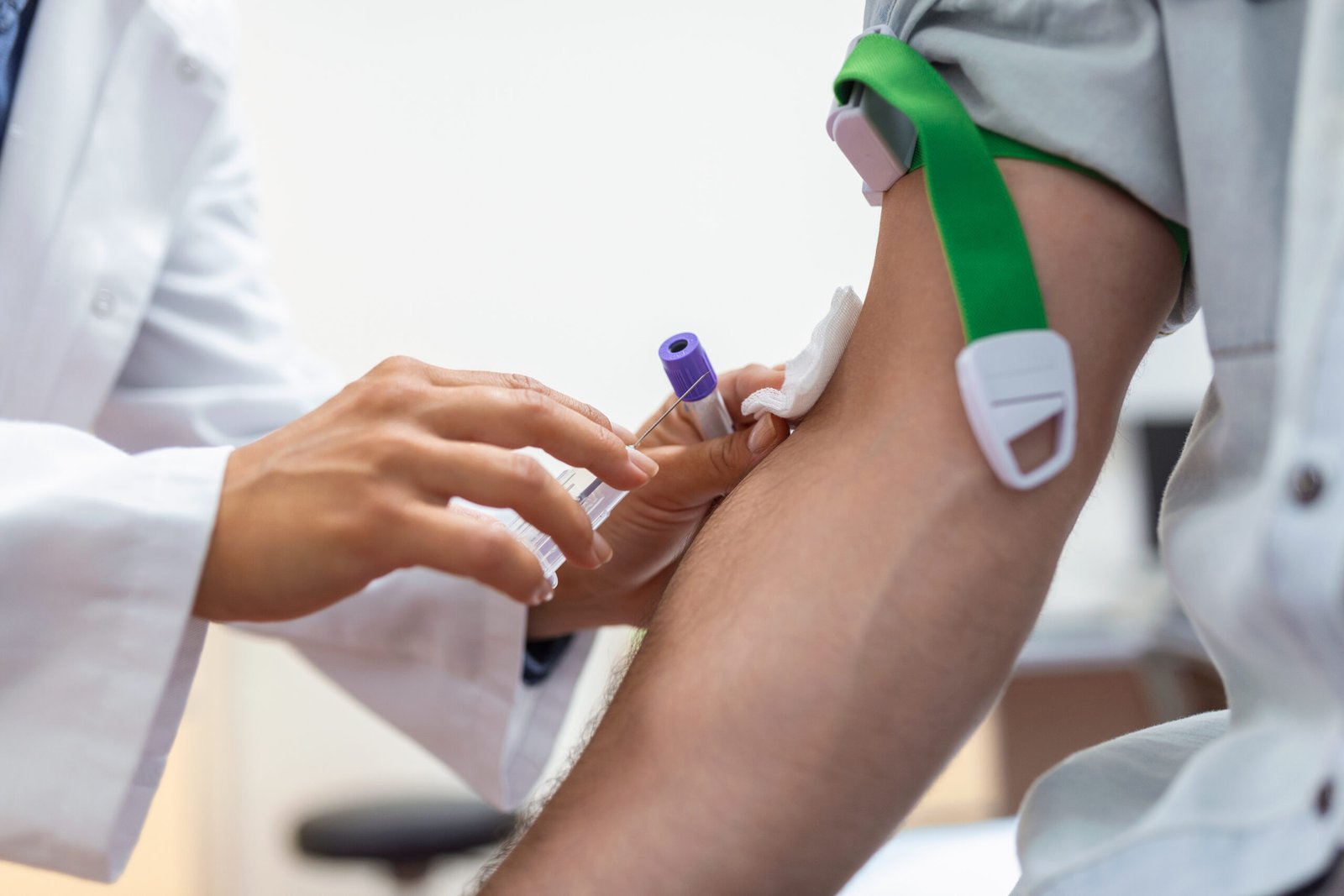
2. Tests, if needed

3. Treatment planning

4. Treatment and recovery
If you or a family member needs guidance
on palliative care
Start with a consultation. Bring your reports and the doctor will explain the next step.