

Breast Cancer Treatment in Akola
Breast cancer treatment at Niramay Hospital, Akola, is planned by Dr. Prasad Sor, Consultant Surgical Oncologist, with the medical and radiation oncology team. Care includes examination, imaging, biopsy, surgery such as breast-conserving surgery or mastectomy where suitable, and follow-up.
स्तनाच्या कर्करोगावर उपचार — तपासणी, शस्त्रक्रिया नियोजन आणि पाठपुरावा, अकोला.
Screening and early detection
Knowing how your breasts normally look and feel helps you notice changes early. Clinical breast examination and mammography are used for screening, and the age and frequency depend on your age and family history, so ask your doctor what suits you. Most breast lumps are not cancer, but every new lump should be examined.
Regular follow-up includes examination and, where advised, imaging. Patients are encouraged to report new symptoms promptly. Physiotherapy, arm exercises and emotional support are part of recovery.

Symptoms to check
Treatment options
Breast-conserving surgery: removing the cancer with a margin of normal tissue and keeping the breast, usually followed by radiation.
Mastectomy: removal of the breast, advised when conserving the breast is not suitable or on the patient’s informed choice.
Axillary (armpit) surgery: sentinel node biopsy or lymph node clearance to check or treat the armpit nodes.
Breast reconstruction: rebuilding the breast, at the time of surgery or later, where suitable.
Planning your care
The surgeon, medical oncologist and radiation oncologist review the reports together so that the order of treatment is agreed before it starts. The doctor explains the choices, including the benefits and limits of each, and respects your decision.
Post-Treatment Care and Rehabilitation
Scheduled follow-up
Yearly mammography
Hormone (endocrine) therapy
Arm and shoulder physiotherapy
Lymphoedema prevention and care
Breast reconstruction and prostheses
Bone health
Heart monitoring
Menopausal symptoms and fertility
Healthy lifestyle
Emotional support
Genetic counselling
See your doctor promptly if you notice: a new lump in the breast, chest wall or armpit, skin or nipple changes, arm swelling, persistent bone pain, breathlessness, or a persistent cough.
Treatment Success and Survival Rates
| Stage at diagnosis (SEER) | 5-year relative survival | Source |
| Localized (confined to the breast) | About 99% to 100% | SEER Stat Facts |
| Regional (nearby lymph nodes or tissues) | About 86% | SEER 2010-2016 |
| Distant (spread to other organs) | About 28% | SEER 2010-2016 |
Early detection changes outcomes
about 64% of cases in the US are found at the localized stage (SEER Stat Facts). Breast self-awareness, clinical breast examination and mammography after the age advised by your doctor all help.
Subtypes differ
triple-negative and inflammatory breast cancers have different survival patterns from the figures above (American Cancer Society).
India context
Limits of these numbers
What Happens During Your Visit

1. Consultation
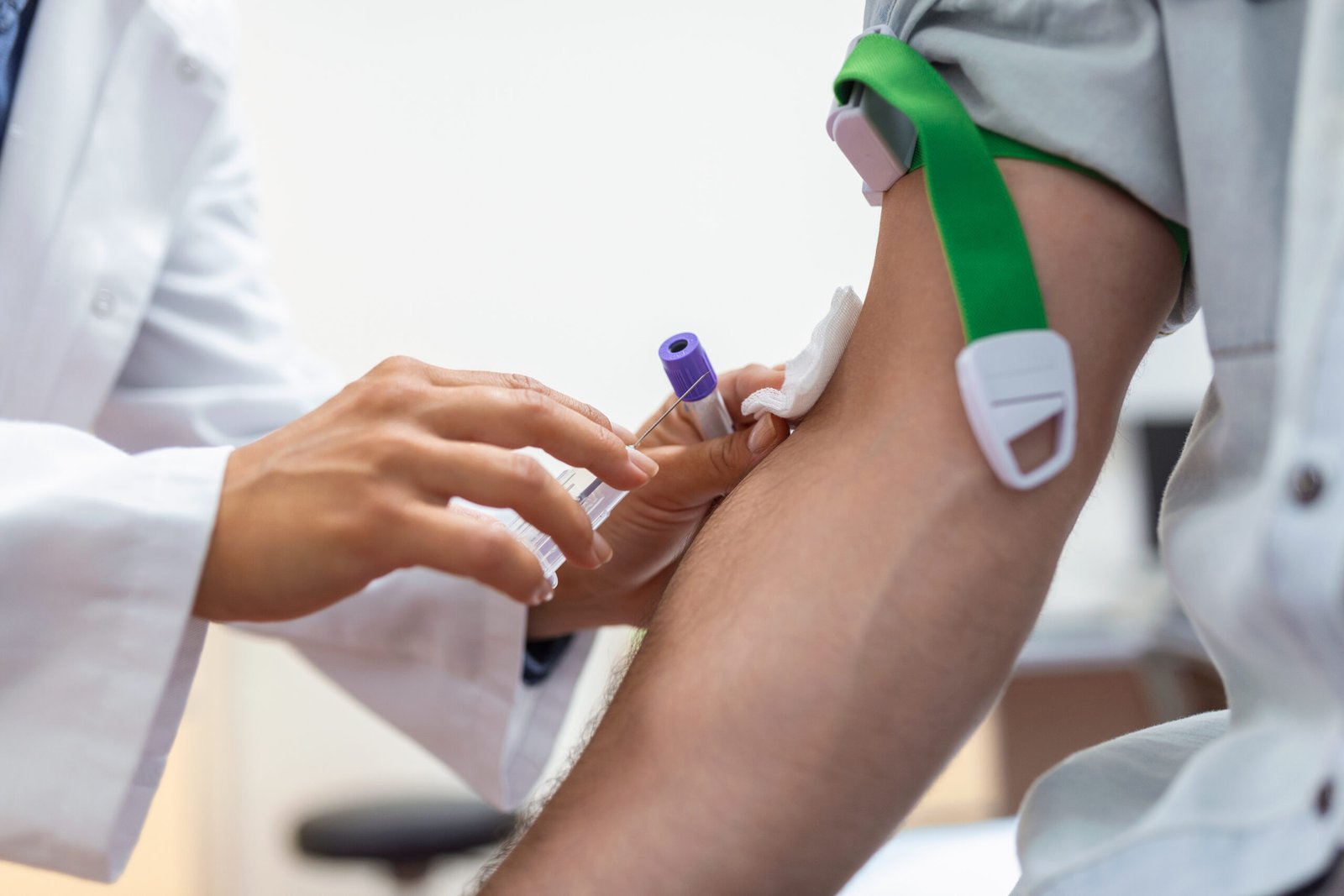
2. Tests, if needed
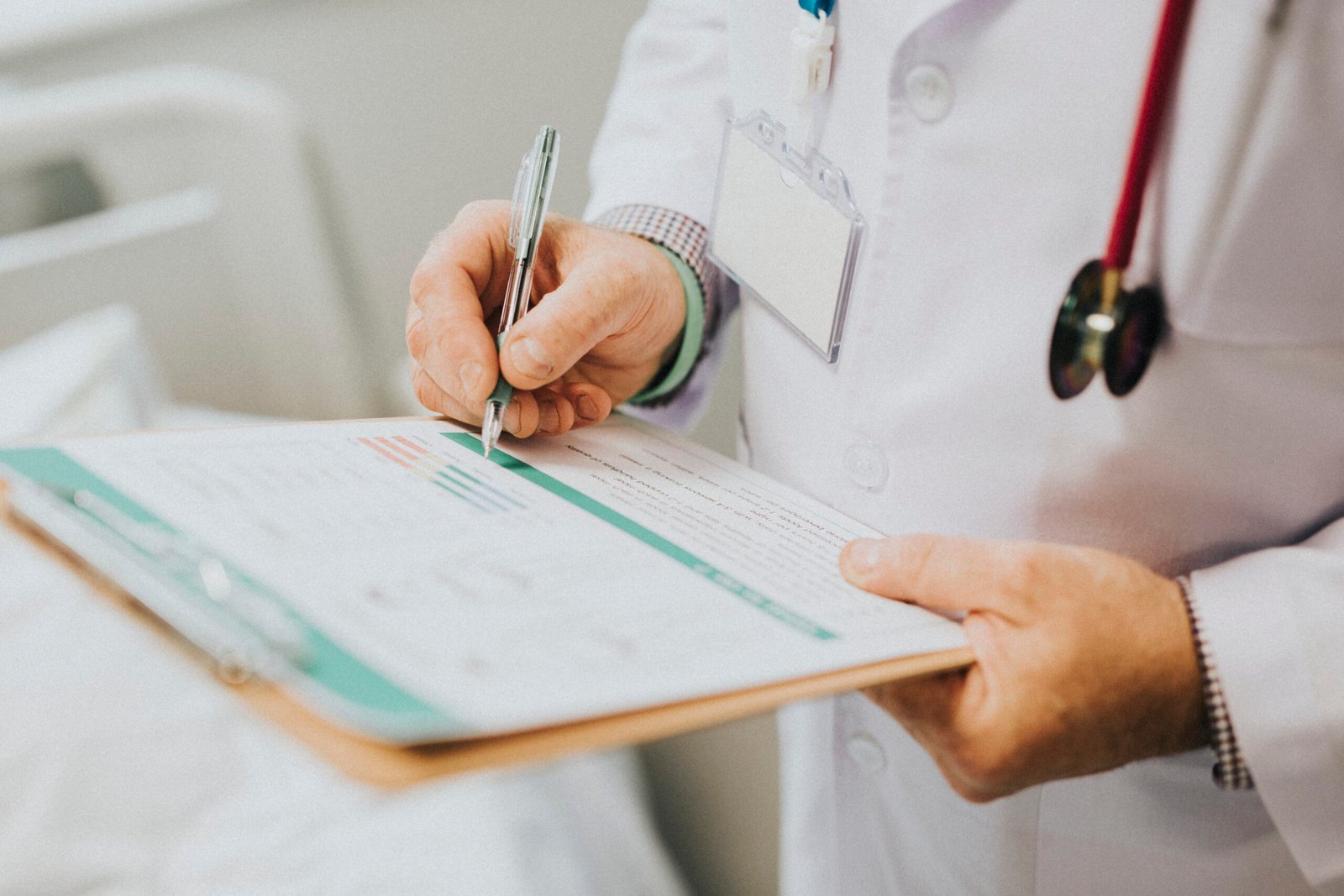
3. Treatment planning
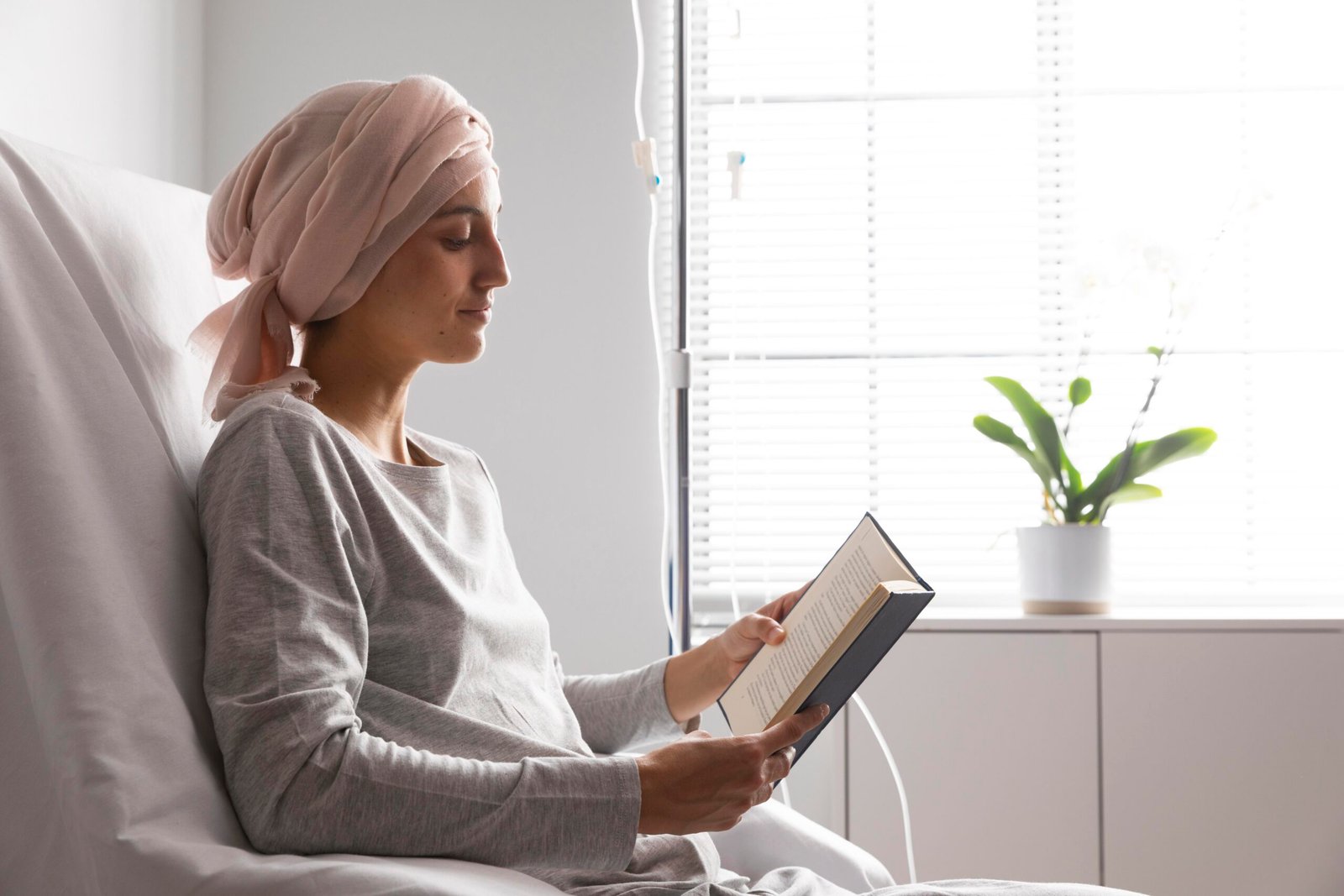
4. Treatment and recovery
If you or a family member needs guidance on breast cancer
Start with a consultation. Bring your reports and the doctor will explain the next step.