
Head and Neck Cancer and
Oral Cancer Treatment in Akola

Head and neck cancer care at Niramay Hospital, Akola, covers cancers of the mouth, tongue, throat, voice box, thyroid and salivary glands. Dr. Prasad Sor, Consultant Surgical Oncologist, plans surgery, reconstruction and coordinated treatment. A mouth ulcer that does not heal in three weeks should be examined.

मुख, घसा आणि मान कर्करोग — तपासणी, शस्त्रक्रिया, पुनर्रचना आणि पुनर्वसन, अकोला.

Risk Factors and Prevention of
Oral and Throat Cancer

Tobacco in any form, including smoking, chewing and gutka, areca nut, and alcohol raise the risk of oral and throat cancers. Poor oral hygiene and long-standing irritation from sharp teeth can contribute. Stopping tobacco lowers risk and helps recovery. Tobacco-cessation support is available.

Regular dental check-ups can help detect suspicious changes in the mouth at an early stage. A healthy diet, good oral hygiene, and prompt treatment of persistent mouth ulcers or lumps can help protect oral health.
Cancers included

Oral cavity: tongue, cheek, gums, floor of the mouth and palate
Oropharynx, hypopharynx and larynx (throat and voice box)
Thyroid gland
Salivary glands
Nose, sinuses and neck lumps

Warning signs

A mouth ulcer or sore that does not heal in three weeks
A white or red patch in the mouth
Pain or difficulty chewing, swallowing or opening the mouth
Hoarseness or a change in voice lasting more than a few weeks
A lump in the neck, or a swelling in the thyroid region
A blocked nose or bleeding from the nose on one side that persists

Treatment

Treatment depends on the site and stage and may involve surgery, radiation, chemotherapy or a combination.

Surgery to remove the tumour, and neck dissection to remove lymph nodes where needed

Reconstruction to rebuild the area, using tissue from other parts of the body, including free-flap techniques

Thyroid surgery for thyroid tumours

Radiation and chemotherapy planned with the radiation and medical oncology team

Post-Treatment Care and Rehabilitation

Recovery after head and neck or oral cancer treatment goes beyond healing the surgical site. It includes restoring speech, swallowing, chewing, neck and shoulder movement, and appearance. Our team plans rehabilitation alongside treatment, not after it.

Regular follow-up visits

examination of the mouth, throat and neck is usually more frequent in the first two years, then spaced out. Your oncologist sets the exact schedule for your cancer type and stage.

Speech and swallowing therapy

guided exercises with a speech-language therapist help rebuild voice clarity and safe swallowing.

Nutrition support

a dietitian plans soft, high-protein diets and, if needed, supplements or temporary tube feeding to maintain weight and strength.

Neck and shoulder physiotherapy

exercises after neck dissection reduce stiffness, shoulder pain and swelling.

Mouth-opening (jaw) exercises

these help prevent trismus, a common problem after surgery or radiotherapy.

Dental and oral care

regular dental review and strict oral hygiene lower the risk of infection and jawbone complications after radiotherapy.

Tracheostomy and stoma care

training for patients and families on tube cleaning, suction and warning signs.

Thyroid and other checks

blood tests may be advised when the neck has been irradiated.

Tobacco and alcohol cessation support

quitting lowers the chance of recurrence and of a new cancer in the mouth or throat.

Emotional and social support

counselling for changes in appearance, speech and eating, and help returning to work and daily routine.

Reconstruction and prosthetics

reconstructive surgery and dental or facial prostheses can restore function and appearance where needed.

See your doctor promptly if you notice: a new ulcer or lump that does not heal in 2 weeks, new neck swelling, persistent pain, bleeding, difficulty swallowing or breathing, or unexplained weight loss.

Treatment Success and Survival Rates

Outcomes depend mainly on how early the cancer is found. When oral and throat cancers are caught while still confined to the original site, treatment results are far better than when the disease has spread. The figures below are published population statistics, not a promise or prediction for any individual patient.

Stage at diagnosis (SEER)5-year relative survivalSource
LocalizedAbout 84% to 88%SEER Stat Facts; SEER 2009-2015
Regional (spread to nearby lymph nodes)About 66%SEER 2009-2015
Distant (spread to other organs)About 39%SEER 2009-2015
All stages combinedAbout 65%SEER 2009-2015

What "relative survival" means

it compares people with the cancer to people of the same age without it, and shows the share expected to be alive 5 years after diagnosis (American Cancer Society).

Site matters

survival differs between lip, tongue, floor of mouth, gum and throat cancers. HPV-related throat cancers generally respond better than HPV-negative ones.

Other factors

age, general health, tobacco or alcohol use, tumour size and depth, and how completely the tumour is removed all influence results.

Early detection matters most

non-healing mouth ulcers, white or red patches and neck lumps should be examined early.

Limits of these numbers

they come from the United States and from past years. Treatment keeps improving, so people diagnosed today may do better than older figures suggest.

What Happens During Your Visit

1. Consultation
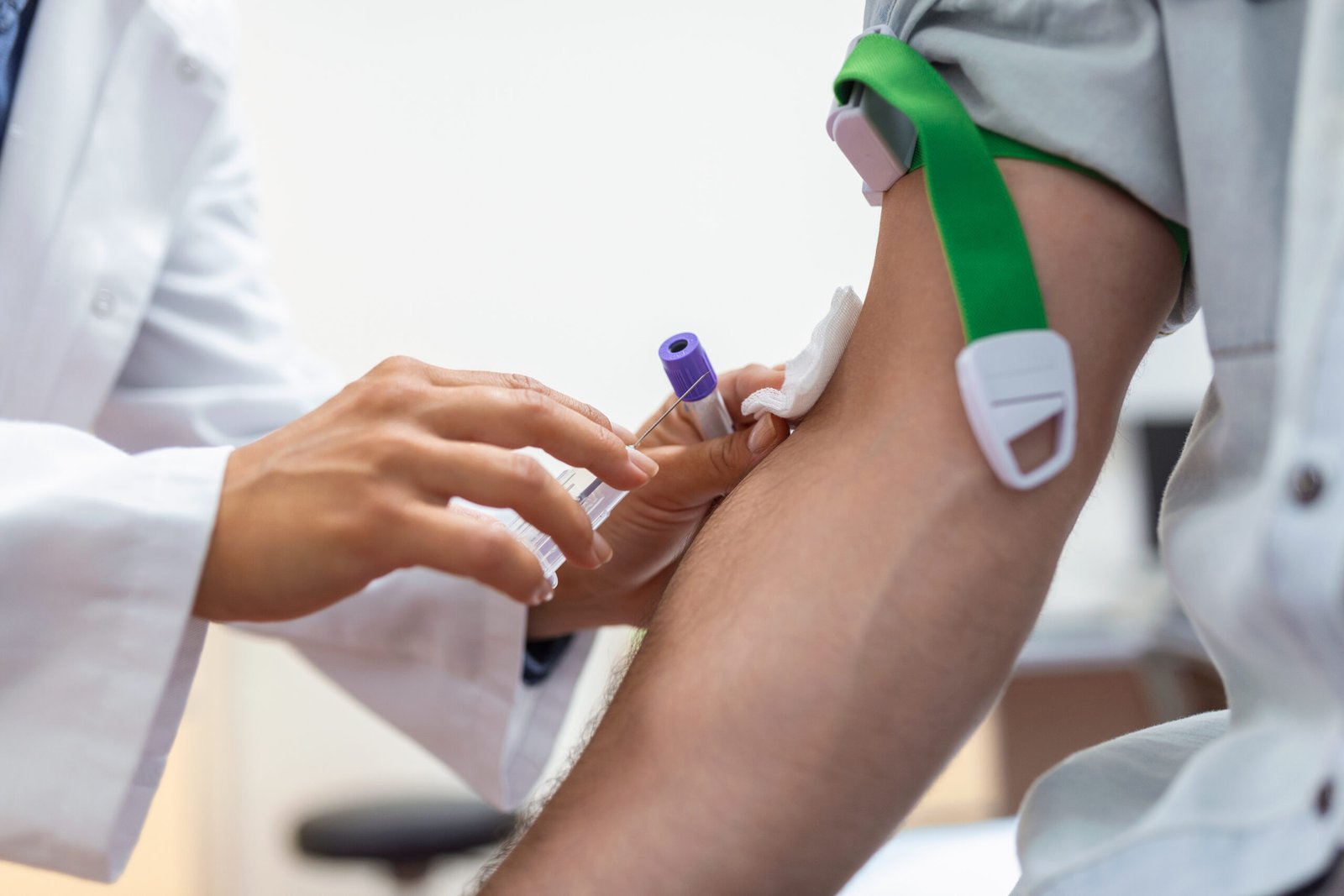
The doctor listens to your concerns, reviews your history and goes through your reports.

2. Tests, if needed

The team may advise scans, biopsy, pathology or staging tests to understand the condition.

3. Treatment planning

Once reports are ready, the doctor explains the diagnosis, options, sequence of care and follow-up in simple language.

4. Treatment and recovery

If treatment is needed, the team coordinates it and stays involved through recovery and follow-up.

If you or a family member needs guidance
on head and neck cancer

Start with a consultation. Bring your reports and the doctor will explain the next step.

Frequently Asked Questions

How do I know if a mouth ulcer is serious?

An ulcer that does not heal in three weeks should be examined by a doctor, even if it is not painful.

Is oral cancer linked to tobacco?

Tobacco chewing and smoking are major risk factors. Stopping reduces the risk.

Will I be able to speak and eat after surgery?

It depends on the site and extent of the surgery. Reconstruction and rehabilitation aim to restore function as far as possible, and the doctor will explain what to expect.

Is thyroid cancer treated differently?

Yes. Thyroid cancers are assessed and treated according to their type, and many are managed with surgery. The doctor will explain.

Do I need a feeding tube?

Some patients need temporary feeding support during treatment. The team will advise if it applies.

Get In Touch

Call Now Button